Most water heaters don't get replaced until the tank starts leaking, and by then it's an emergency. The Minnesota Department of Commerce makes the same point: most units aren't replaced until the tank fails and leaks, which can damage furnishings and the structure. Here's how to catch it earlier.
1. It's past 10 years old
The Minnesota Department of Commerce puts the average life of a water heater at 10 to 12 years. Rheem, a major manufacturer, puts traditional tank heaters at 8 to 12 years, and tankless units at 15 to 20+ years with proper care. To check the age, look for the manufacture date on the sticker on the side of the tank. If it isn't printed plainly, it's often coded into the serial number, and the manufacturer's website explains how to read it.
2. Popping or crackling noises
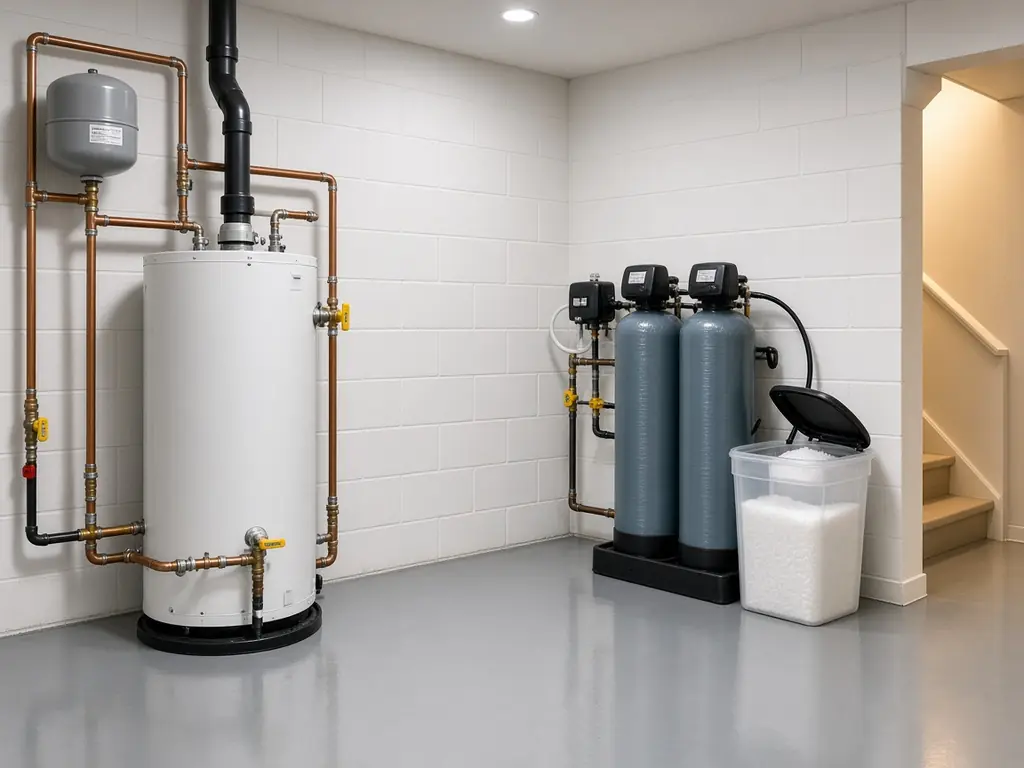
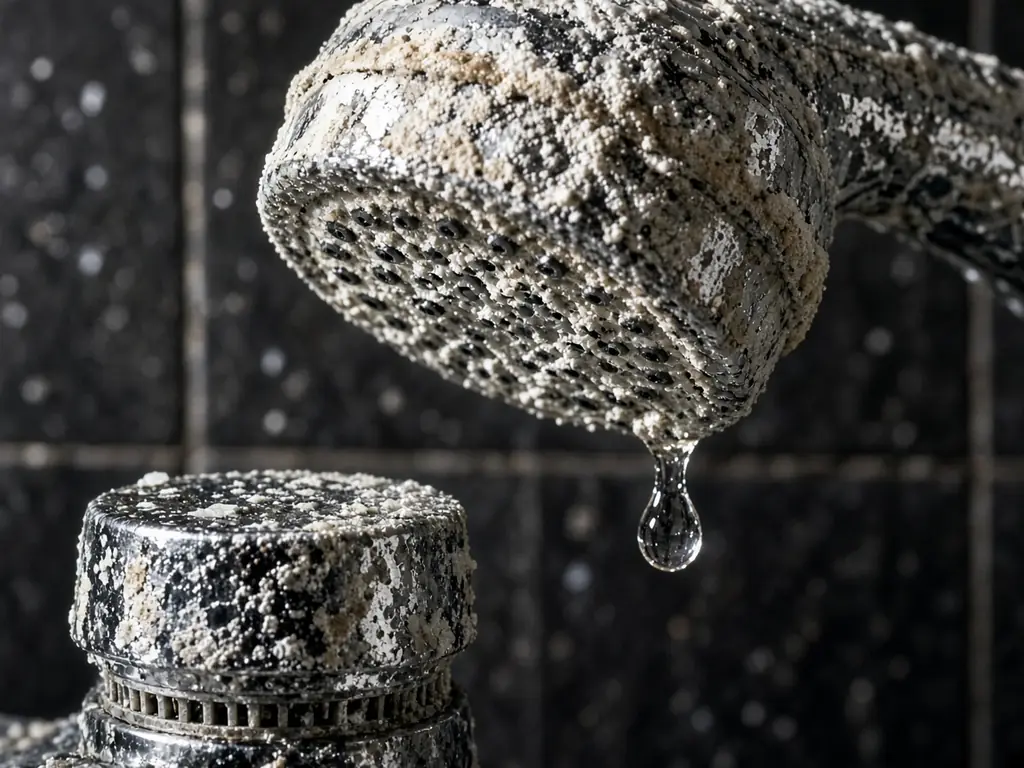
The Department of Commerce says popping or cracking sounds point to sediment buildup in the tank. In a hard-water town like Winona (the city puts its water at 14 grains per gallon), minerals settle at the bottom, and the heater works harder to push heat through them.
3. You keep turning the temperature up
If you've had to raise the setting over time just to get the same hot shower, Commerce lists that as a replacement warning sign.
4. Rusty or discolored hot water
Rusty hot water, but not cold, can mean the inside of the tank is corroding. It's worth getting checked. A rusting tank eventually leaks.
5. Rust or deposits under the burner, or soot near the vent
On a gas heater, Commerce says to look under the burner for rust or other buildup. Soot or burn marks near the vent hood at the top can mean dangerous backdrafting, where exhaust isn't venting out of the house. Don't wait on that one. Get it looked at right away, and make sure you have working carbon monoxide detectors.
6. Water around the base
A small drip might be a fitting or the relief valve, and those are fixable. Water seeping from the tank itself usually means the tank is done. Shut off the cold water supply to the heater (and the gas or power) and call.
7. You run out of hot water faster than you used to
Sediment takes up space in the tank, and a failing element or burner won't heat as well. Either way, you get less hot water than the tank should hold.
Repair or replace?
Rheem's rule of thumb: if a repair costs more than half the price of a new unit, or you've needed several repairs in a short time, replacement is usually the better money.
When you replace, the Department of Commerce says to size by the first-hour rating (FHR) on the Energy Guide label, not just tank gallons. FHR tells you how much hot water the unit can deliver in an hour.
Make the next one last longer
- The U.S. Geological Survey notes that hard-water scale can shorten equipment life and lower the efficiency of electric water heaters. A softener helps here. See Winona hard water and softeners.
- Flushing some water from the tank drain now and then helps clear sediment. The U.S. Department of Energy's routine maintenance list includes flushing a quart from the tank every three months, testing the temperature and pressure relief valve every six months, and inspecting the anode rod every three to four years.
Water heater acting up? Backwater Plumbing & Water Conditioning (MN Lic. PC150374) repairs and replaces tank and tankless heaters in Winona and nearby towns. Call or text (763) 273-6421.
Sources
- Minnesota Department of Commerce, Home Energy Guide: Water Heater Replacement: mn.gov
- Rheem, Water Heater Lifespan: When to Repair vs. Replace: rheem.com
- U.S. Department of Energy, Water Heating Technology Fact Sheet (maintenance schedule): www1.eere.energy.gov
- U.S. Geological Survey, Hardness of Water: usgs.gov
- City of Winona FAQ, water hardness 14 grains: winonamn.gov